


 Posted by
 When’s the last time you needed to change the channel on the TV, or change the settings on your AV receiver, and …. nothing…nada…even after wiggling and rolling the batteries in the back? Many of the remotes in our lives take the small but mighty AAA battery. Have you ever marveled at how such a small battery powers a remote which powers a TV or stereo for months at a time? Probably not. That would be a little weird. But hey, I’m still going with the AAA battery analogy.
When it comes to mental, emotional, and relational wellness, there are so many counseling methods and modes that can help people achieve their goals. For the sake of this blog (and the AAA battery analogy), let me share three simple yet powerful words that all start…you guessed it…with the letter A.
AWARENESS…
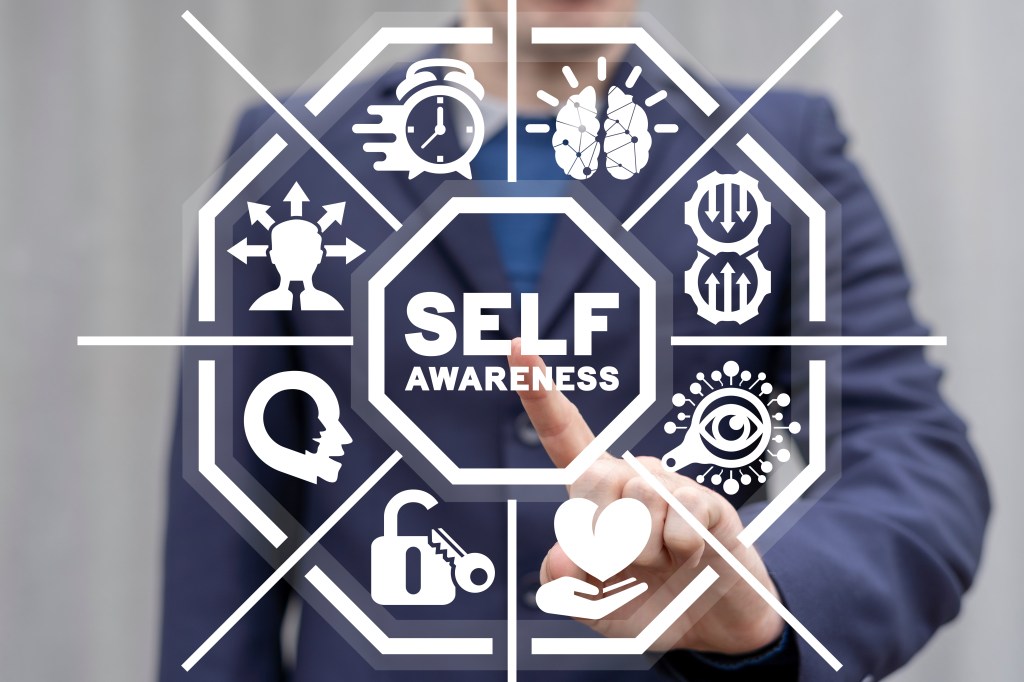
Why is Awareness important, let alone first on the list? Because it is really difficult to improve or try to fix something if we aren’t aware of what is happening inside and around us. To be aware means “to have knowledge or perception of a situation or fact”. Being aware can also mean… “to be concerned and well informed about a particular situation or development.”
Regarding our wellbeing, awareness can pertain to every aspect of the world around us as well as the complex realities inside of us. Here’s a list of examples of things we can be aware of:
- Our strengths – Our insecurities
- Our handling of stress – Our handling of conflict
- Our support systems – Our blessings
- Our wounds – Our goals / dreams
- Our emotions – Our self-talk
- Our view of ourselves – Our relational satisfaction
- Our successes – Our boundaries
ACCEPTANCE…

Acceptance is one of those words that can often seem confusing and counter intuitive. To accept something can mean to “give consent to receive…to believe and come to recognize something as valid or true.” No one naturally enjoys painful and difficult situations or emotions. What is natural for many is to avoid feeling or experiencing negative things. We (often without consciously being AWARE of it) distract ourselves with work, exercise, social media, or tv binge watching. Or we numb ourselves by self-medicating with alcohol or drugs. These are all examples of ways we naturally cope with negative situations, feelings, relationships, or thought patterns. The problem is that as intuitive and natural that these ways to cope are, they ultimately don’t help us accomplish what we truly need or desire…peace, contentment, health, and growth. All of which take acceptance – choosing to give consent to something painful and choosing to recognize what might be true, what might be helpful, and what might be needed in order to grow and move towards wellness. Here are a few examples:
- Sitting with your feelings for 15 minutes, asking yourself “what am I really feeling?” and “how do these feelings affect how I feel about myself?” (leading to deeper, more vulnerable feelings)
- Allowing yourself to cry or scream.
- Asking someone for help.
- Telling someone that you’re hurting.
ASSERTIVENESS…

Being Assertive is another word that is often confused or misunderstood. Some of us think of words like aggressive or mean. But assertiveness is actually about being self-assured, confident, and honest without being aggressive. It’s about communicating in an honest and healthy way. It’s about knowing who you are, who you aren’t, what you’re willing to do, and what you’re not willing to do. This takes kindness and compassion…for ourselves, and for those around us. Here are a few ways to practice being assertive:
- Keep growing in your awareness and acceptance.
- Choose the appropriate level of honesty and share what you are feeling.
- Listen and let someone know that you heard them.
- Look ahead to a potentially difficult situation and create a “plan a and plan b”.
- Ask for help.
- Say “no” or “I don’t like that”.
- Tell someone “I’m sorry” or “I love you”.
“This takes kindness and compassion…for ourselves…and for those around us.”
 Heritage Counseling Center Blog